|
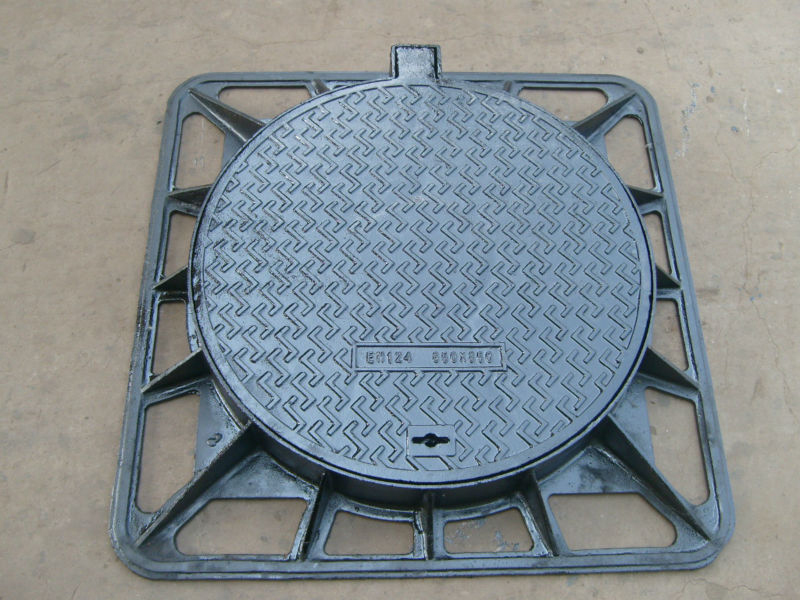
Looseness and settlement of urban road manhole covers are core hazards affecting traffic safety—looseness can cause abnormal noise, bouncing, or even detachment when vehicles pass over; settlement creates height differences on the road surface, leading to jolts and tripping risks, and may also damage the connection structure between the cover and the shaft. Prevention and control work should follow the principles of "inspection first, classified measures, and comprehensive treatment," advancing systematically from three aspects: hazard identification, technical prevention, and long-term management.
I. Key Points for Hazard Inspection
1. Settlement Hazards
Measure the height difference between the cover top and the surrounding road surface with a level; excessive differences indicate settlement hazards, focusing on covers at new-old pavement joints and subgrade backfill areas. Observe for circular cracks or settlement troughs around the cover, and check for shaft wall cracks or separation between the frame and concrete base. Record settlement levels by severity and prioritize rectification based on road grade and traffic volume.
2. Looseness Hazards
Visually inspect the fit between the manhole cover and frame—gaps, raised edges, or abnormal "clanging" sounds when tapped are signs of looseness, with key inspections in high-traffic areas. Use ground-penetrating radar or manual rolling tests; bouncing or displacement of the cover during testing indicates high-risk hazards. Simultaneously, check the condition of connecting components such as bolts, slots, and gaskets.
II. Prevention and Control of Looseness Hazards
1. Short-Term Disposal
For bolt-connected covers, replace rusted bolts and reinforce with locknuts; for slot-type covers, install anti-slip gaskets to fill gaps. Replace aging gaskets, repair or replace severely worn slots. Temporarily reinforce covers that cannot be fully rectified immediately and set up warning signs.
2. Long-Term Solutions
Adopt "mother-son" or embedded covers to reduce displacement by controlling fitting gaps; use dual-fixation technology for heavy-vehicle roads and promote integrated covers. Repair pavement around covers with high-grade materials to enhance collaborative load-bearing capacity.
III. Prevention and Control of Settlement Hazards
1. Source Control
Compact subgrades in layers, replace soft soil or lay geogrids; cast frame bases with reinforced concrete, and calibrate cover elevation to align with the road surface during installation. Backfill around shafts with graded sand-gravel or lime soil in compacted layers, avoiding miscellaneous or uncompacted soil.
2. Rectification of Existing Hazards
For mild settlement, adopt "lifting and grouting reinforcement"; replace frame bases for moderate settlement, and repair shaft wall cracks. For severe settlement, demolish and rebuild shafts with "shaft reinforcement + subgrade replacement" and conduct load tests after completion.
IV. Long-Term Management
Establish a "grid-based" inspection system—daily inspections for arterial roads, regular inspections for collector roads, and weekly inspections for sidewalks. Install sensors on high-risk covers for real-time monitoring. Regularly clean gaps, inspect components, and update old covers based on road grade. Clarify responsibilities among relevant parties, implement accountability tracing, and establish an "ID card" system for full-lifecycle management.
Through scientific inspection, targeted measures, and continuous management, looseness and settlement hazards of manhole covers can be fundamentally eliminated, ensuring traffic safety and stable operation of pipe network systems.
|