|
If you've ever climbed down into a manhole, you know the feeling: dark and confined, with the only way out up a series of metal steps embedded in the wall. Those steps are manhole steps—among the most overlooked yet critical components of utility infrastructure. They don't make headlines, but without them, maintenance crews would struggle to access underground networks safely and efficiently.
What Exactly Is a Manhole Step?
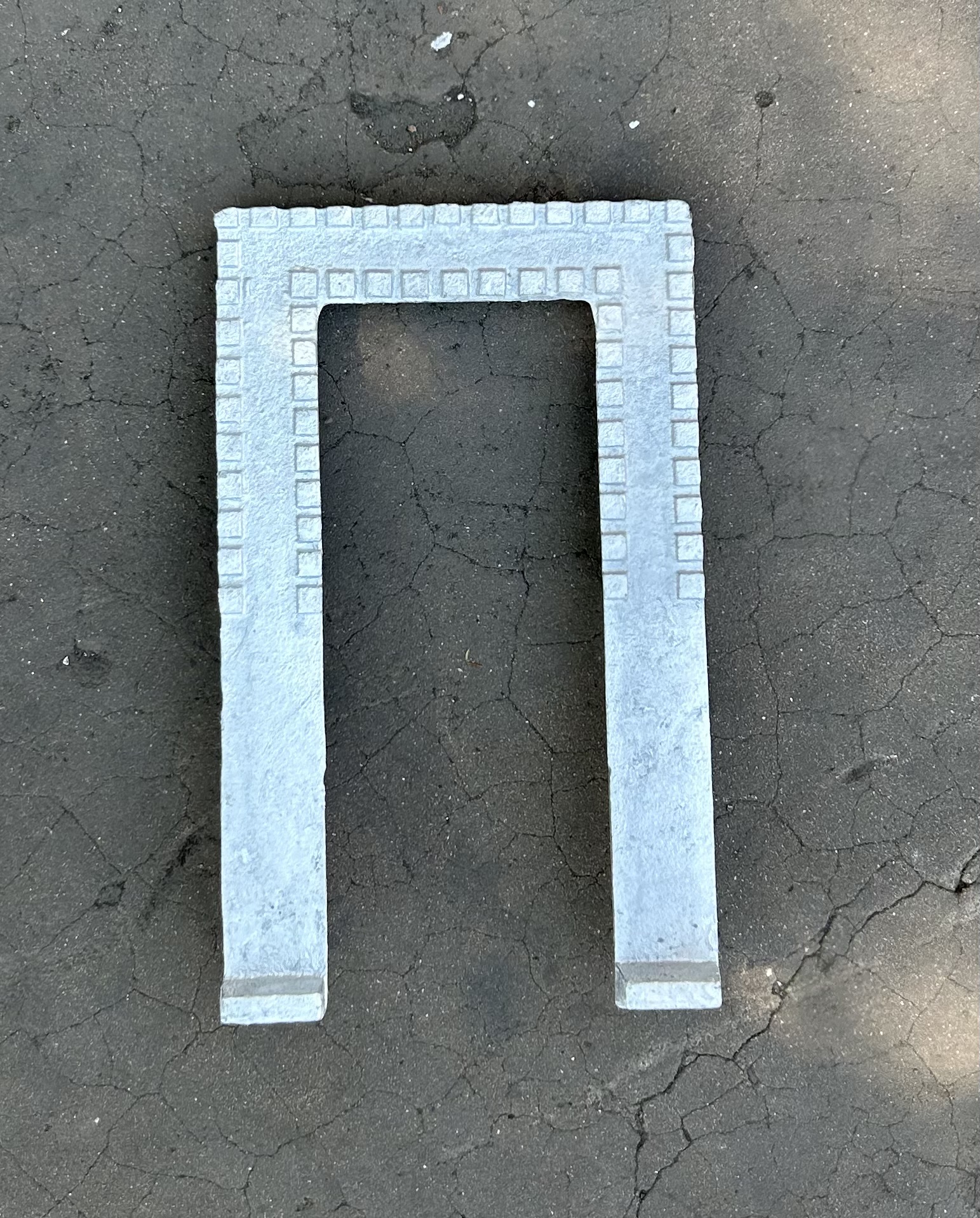
A manhole step is exactly what it sounds like—a sturdy, load-bearing step installed vertically along the side of a manhole wall, providing secure footholds for workers entering or exiting confined spaces. They are typically embedded into concrete or brick walls during construction or retrofitted into existing structures. The purpose is straightforward: give workers a reliable, slip-resistant climbing path from the surface down to the bottom of the chamber, and back up again.
Materials That Do the Job
Manhole steps are made from materials that must endure harsh underground conditions—moisture, chemicals, temperature swings, and heavy foot traffic over decades. The most common choices include:
· Ductile Iron: The traditional workhorse. Strong enough to support a worker's full weight plus equipment, with excellent durability in most conditions. Usually coated or galvanized for corrosion protection.
· Stainless Steel: The premium option for corrosive environments. Resistant to chloride attack and chemical exposure, making it ideal for wastewater treatment plants, coastal areas, or industrial settings. More expensive, but often the right choice for long life.
· Composite Materials: A newer option gaining popularity. Plastic or fiberglass-reinforced steps offer excellent corrosion resistance and are lighter than metal. They don't conduct electricity—a safety advantage in certain environments—but may not handle heavy loads as well as steel.
Design and Safety Features
A good manhole step isn't just a metal rod stuck in concrete. It incorporates design elements that enhance worker safety:
· Slip-Resistant Surface: The tread area typically has ribs, knurls, or anti-slip patterns to prevent boots from skidding, especially in wet or muddy conditions.
· Depth Markers: Some steps include indicators showing how deep the step sits in the wall, which helps installers maintain consistent spacing.
· Color Coding: In some modern installations, steps are available in high-visibility colors—yellow or orange—to make them easier to spot in dimly lit chambers.
· Load Ratings: Steps are rated for specific loads, typically ranging from 150 kg to 250 kg per step. These ratings account for the worker's weight, tools, and safety gear.
Installation and Embedment
The way a manhole step is installed affects its long-term performance as much as the material itself. Steps cast into fresh concrete have the best bond and load transfer. Retrofit steps rely on mechanical anchors or chemical adhesives, which must be selected carefully for the existing wall material. Installation depth—how far the step penetrates the wall—is specified by the manufacturer to ensure adequate pull-out resistance without compromising the wall's structural integrity.
Why They Matter More Than You Think
Manhole steps are the kind of product nobody notices until something goes wrong. A broken or missing step turns routine maintenance into a dangerous climb. A corroded step that gives way under a worker's boot can cause serious injury. Municipalities, utilities, and industrial facility managers who overlook the condition of their manhole steps are gambling with worker safety.
In Summary
Manhole steps are small, humble, and easy to forget. But for the people who descend into underground chambers every day to keep water flowing, gas moving, and electricity humming, they are lifelines—one step at a time. Choosing the right material, proper installation, and regular inspection isn't just good engineering; it's a commitment to safety.
|