|
Gully gratings are essential components for effective drainage in municipal systems, residential pipe networks, industrial facilities, and various other applications. The three most commonly used materials for gully gratings are cast iron, stainless steel, and composite materials. Each of these materials has distinct characteristics that affect factors such as load-bearing capacity, corrosion resistance, suitable applications, and overall cost of use.
I. Material and Basic Performance
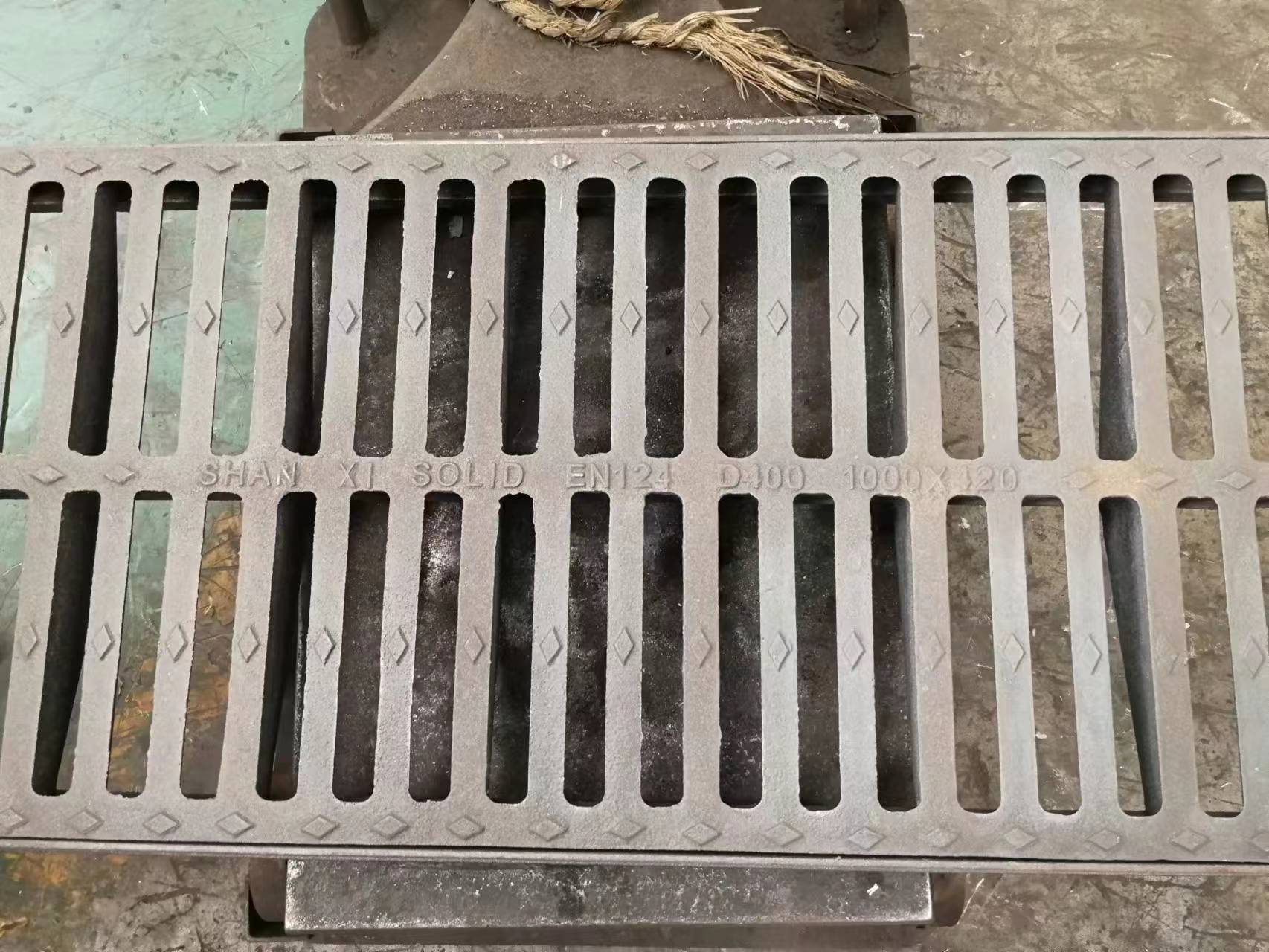
1.Cast Iron Gully Grating: It has high density and hardness, providing strong load-bearing capacity that can withstand the rolling of heavy-duty vehicles. Additionally, it is produced at a low cost, making it affordable. However, its weight is quite heavy, necessitating the cooperation of multiple people for installation and replacement. It is also susceptible to rust from rain and sewage, and the corrosive wastewater environments found in industrial areas can accelerate aging and shorten its service life.
2.Stainless Steel Gully Grating: The material is primarily composed of 304 and 316 stainless steel, making it corrosion-resistant and rust-proof. Its smooth surface is easy to clean and less likely to harbor bacteria. Additionally, it is lightweight, which facilitates installation and maintenance, and it boasts a long service life. However, the drawbacks include a higher purchase cost, slightly reduced impact resistance at low temperatures, and potential deformation after prolonged exposure to heavy-duty vehicles.
3.Composite Material Gully Grating: Mainly made of FRP and resin, it is extremely light in weight and can be transported and installed by a single person. The anti-slip texture design can effectively prevent pedestrians from slipping. At the same time, it is corrosion-resistant and non-conductive, suitable for humid and slightly corrosive environments. However, its load-bearing capacity is limited, only applicable to light load scenarios, and it is prone to aging and embrittlement after long-term exposure to the sun.
II. Core Applicable Scenarios
1.Cast Iron Gully Grating: Focus on heavy load scenarios such as municipal trunk roads, industrial park roads, freight terminals, etc. It can withstand the high-frequency rolling of trucks and engineering vehicles, and is a cost-effective choice for such scenarios.
2.Stainless Steel Gully Grating: Suitable for scenarios with hygiene and aesthetic requirements, such as residential communities, commercial complexes, food processing plants, hospitals, etc., the gully grating has corrosion-resistant and easy-to-clean characteristics that meet hygiene standards, and its neat appearance can also meet environmental requirements.
3.Composite Material Gully Grating: Applicable to light load, humid/slightly corrosive scenarios such as park sidewalks, residential courtyards, underground garages, drainage areas of ordinary office buildings, etc. The advantages of light weight and anti-slip can improve the convenience and safety of use.
III. Use Cost and Maintenance
1.Cast Iron Gully Grating: The initial purchase cost is the lowest, but regular anti-corrosion treatment is required, with maintenance every 2-3 years. Severe rust requires replacement, resulting in a relatively high long-term maintenance cost.
2.Stainless Steel Gully Grating: The initial purchase cost is the highest, but minimal special maintenance is required later on; only occasional cleaning of surface debris is necessary. The service life can exceed 15 years, offering better cost efficiency for long-term use.
3.Composite Material Gully Grating: The initial purchase cost is between cast iron and stainless steel, with extremely low maintenance costs. Daily maintenance only needs to clean the blockage of drainage holes and avoid heavy object impact, with a general service life of 8-10 years.
IV. Core Suggestions for Selection
1.Check the load: Choose cast iron for heavy-duty vehicle traffic, composite materials for light load scenarios, and stainless steel for medium load scenarios with aesthetic considerations.
2.Check the environment: Choose stainless steel/composite materials for humid and corrosive environments, and cast iron for dry and ordinary environments.
3.Check the cost: Choosing cast iron material can result in a lower initial cost, while opting for stainless steel gully grating offers long-term reliability and lower maintenance costs.
4.Check the installation: For scenarios with narrow spaces and inconvenient cooperation of multiple people, priority should be given to stainless steel/composite materials.
|