|
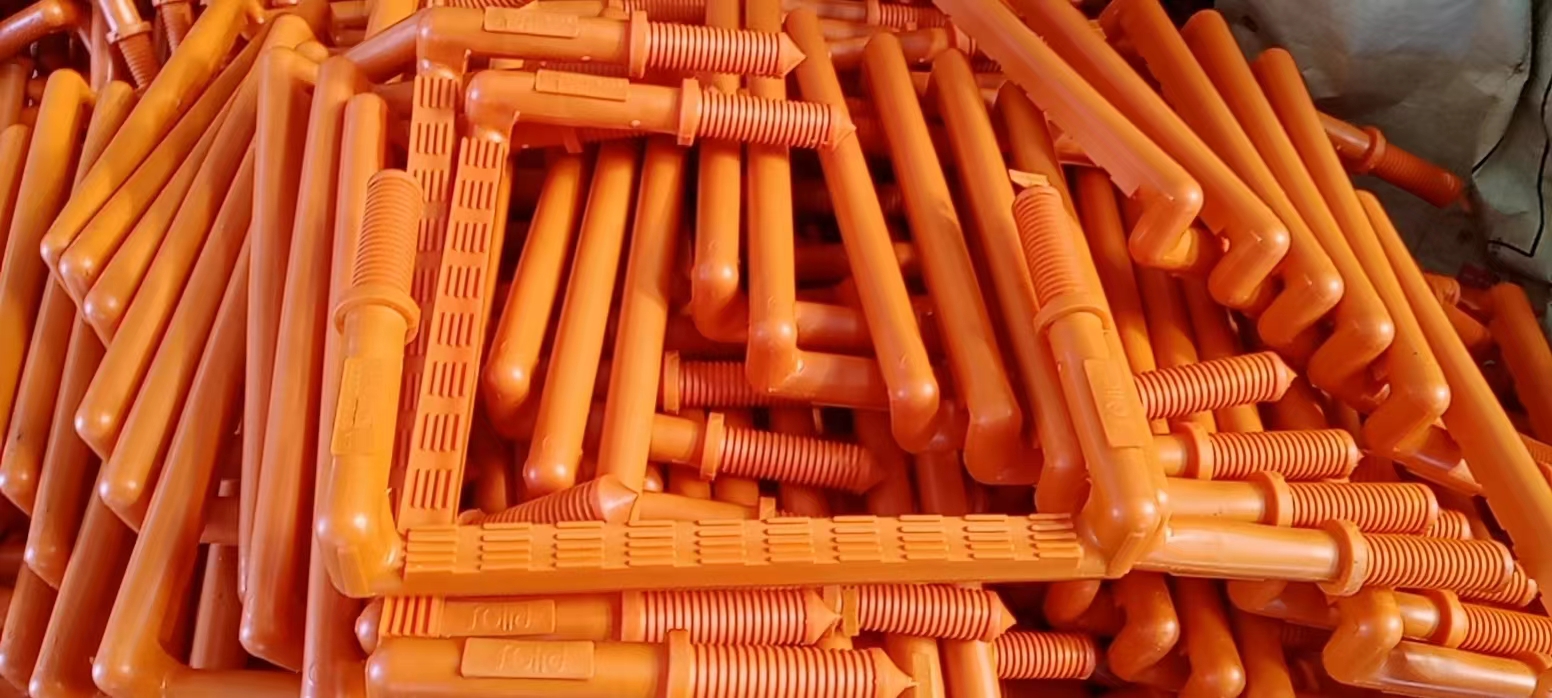
Manhole steps are essential safety features for confined space operations, including underground pipeline maintenance and tank inspections. The choice of manhole steps significantly affects both operational safety and their service life. When selecting industrial manhole steps, it is important to consider four key factors: material compatibility, structural design, load-bearing capacity, and environmental adaptability.
1. Match materials to working conditions
In general industrial indoor environments, carbon steel steps with hot-dip galvanizing are a good option as they provide a balance between cost-effectiveness and basic corrosion resistance. However, for more corrosive environments, such as chemical plants and coastal areas, it is better to select stainless steel steps or fiberglass-reinforced plastic (FRP) steps. Stainless steel offers excellent resistance to both acid and alkali corrosion, while FRP is lightweight and non-conductive, making it suitable for scenarios that involve electrical hazards. In high-temperature working conditions, it is advisable to choose heat-resistant alloy steel steps to prevent deformation caused by extreme heat.
2. Optimize structural design for safety
Prioritize steps with non-slip surface textures such as raised patterns or serrated edges to prevent slipping in wet and muddy environments. The connection structure should adopt an integrated welding or bolt-fixed design; bolt-fixed steps are easier to replace, while welded steps have higher structural stability. Ensure that the step spacing is uniform and the step surface has a reasonable width to meet ergonomic requirements.
3. Determine the load-bearing grade based on application scenarios
Classify the load-bearing grade based on the actual load requirements. For light-duty maintenance operations, select steps with a load-bearing capacity of at least 150 kg. For heavy-duty situations, such as equipment carrying and operations involving multiple personnel, choose steps with a load-bearing capacity exceeding 300 kg. Additionally, ensure that the connection between the steps and the manhole wall is reinforced to prevent detachment under heavy loads.
4. Adapt to the installation and service environment
For wet underground manholes, select steps with anti-rust and anti-corrosion coatings and check the tightness of the coating to avoid rust and loosening. For manholes with limited installation space, choose foldable or detachable steps to save space when not in use. Ensure that the selected steps comply with relevant safety standards and have passed third-party testing to meet industrial safety operation requirements.
When selecting industrial manhole steps, it is essential to consider four key factors: material suitability, structural safety, load-bearing capacity, and environmental compliance. By aligning these factors with the actual operational requirements and site conditions, you can choose the most suitable product. This approach ensures the long-term safety and stability of the manhole steps.
|